A fresh tattoo heals, the shine settles, and then you spot it: a line that looks lighter than its neighbors, a patch of color that did not take as evenly as the rest. In Gastonia, clients sometimes arrive worried that something went wrong with them or with the work. Usually, neither is true. Touch-ups are a normal, expected part of tattooing, built into how skin and ink interact, and every experienced artist plans for them.
The useful skill is telling the difference between a normal healing quirk that resolves itself, a genuine light spot worth a touch-up, and the rare sign that needs attention sooner. This walkthrough goes symptom by symptom.
Symptom: patchy or light areas after healing
Healing is not perfectly even. Skin thickness varies across a single piece, some areas move and stretch more during the healing weeks, and scabs that come off early, even accidentally in sleep or under clothing, can pull a little ink with them. The result is a spot that heals a shade lighter. The cause is usually that small, local disruption rather than the original work. The fix is straightforward: once the tattoo is fully healed, an artist goes back over the light areas and evens them out. This is the standard touch-up, and it is quick compared to the original session.
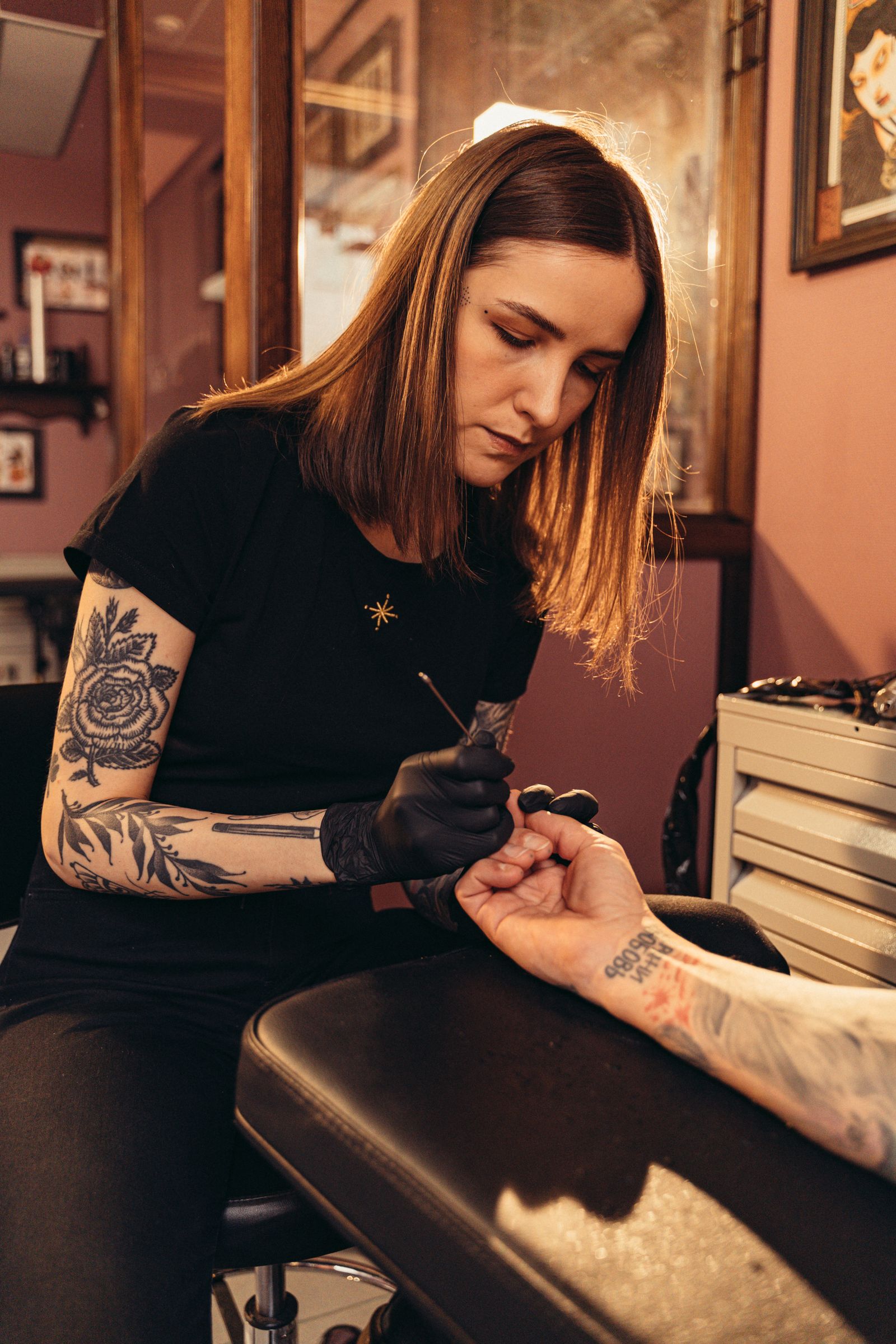
The troubleshooting sequence
- Wait for full healing first. A tattoo still in its first few weeks can look cloudy, shiny, or uneven and then settle beautifully. Judge nothing until it is fully healed and matte.
- Compare in plain daylight. Bathroom lighting exaggerates contrast problems. Look at the piece outdoors or by a window and note exactly which lines or areas read light.
- Check the location pattern. Light spots on joints, hands, feet, elbows, and other high-movement, fast-shedding skin are the most common and the least surprising.
- Photograph it for the shop. A clear, unfiltered photo in daylight lets the artist see what you see and plan the touch-up time honestly.
- Book within the window the shop names. Many shops offer touch-ups free or reduced within a set period after healing. Ask what the window is at your original appointment so it never surprises you.
- Heal the touch-up like a small tattoo. The same washing, moisturizing, and sun rules apply. A touch-up rushed through aftercare can need its own touch-up.
Symptoms that should not wait for a touch-up booking
Normal touch-up territory is about looks: light lines, uneven color, a small blowout that softened oddly. Different territory is health: increasing redness, warmth, swelling, pain that grows rather than fades, or any discharge in the days after a tattoo. Those are signs to contact the shop promptly and, if they persist or worsen, a medical professional. Do not wait out an infection concern to keep a touch-up schedule. Artists would rather see you early with a question than late with a problem, and reputable shops in Gastonia say so plainly.
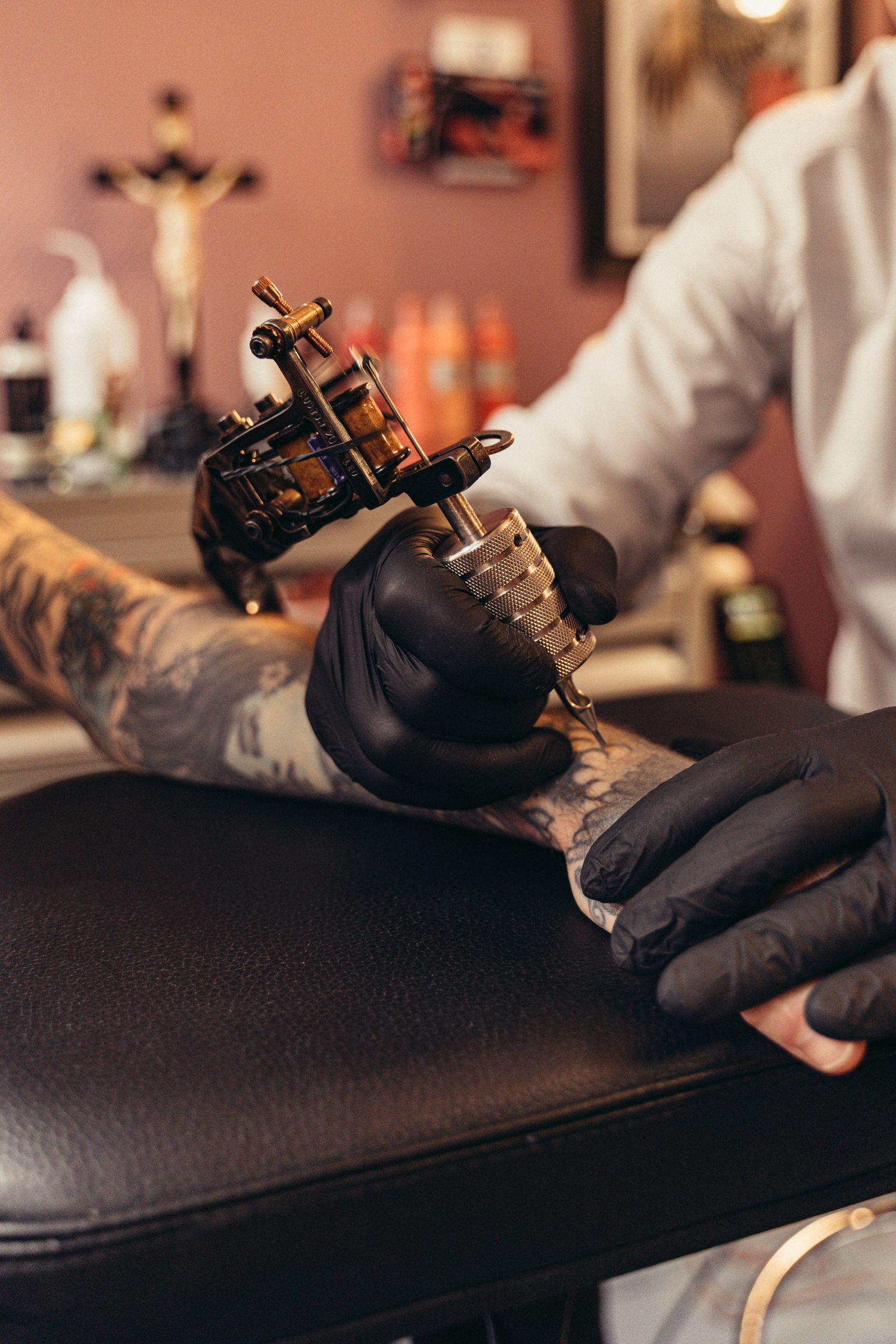
Why some spots need it more than others
At a consultation or a touch-up at Chaos Tattoos, artists talk honestly about location. Skin on fingers and feet sheds and regenerates quickly, ink sits less stably there, and some shops warn upfront that those pieces may want periodic refreshing for as long as you wear them. Areas over bone, areas that bend, and areas rubbed by straps, waistbands, and watch bands all live harder lives. None of that makes those placements mistakes. It makes the touch-up part of the deal, known in advance, which is a very different thing from a flaw discovered later.
Keeping the odds in your favor
You cannot control how your skin takes ink, but you control the healing around it: no picking at flakes, no soaking, no sun on fresh work, and no gym shortcuts with shared surfaces against an open tattoo. Clients who hold that line heal more evenly, and their touch-ups, when they come, tend to be the five-minute kind rather than the full second session.
Common questions
How long should I wait before asking for a touch-up?
Wait until the tattoo is fully healed, typically several weeks, when the skin looks matte and settled. Judging earlier mostly judges the healing, not the tattoo.
Are touch-ups free?
Many shops include one touch-up within a stated window after healing, with exceptions for high-wear placements or aftercare problems. Ask about the policy before your first session.
Do touch-ups hurt as much as the original?
Usually less, simply because they are shorter and cover smaller areas. Skin that was recently worked can feel sensitive, which is another reason to let healing finish fully first.
Photos in this guide are representative stock images.
← All guides from Chaos Tattoos← Back to Chaos Tattoos