Walk into a tattoo shop in Gastonia and there are two doors into a design, even if you only see one room. You can pick flash, a ready-made design the artist has already drawn, or you can commission custom work, drawn for you from your idea. Neither door is the serious one and neither is the shortcut. They suit different people, different timelines, and different relationships with the picture that ends up on their skin.
The comparison below is the honest version shops give friends: what each path costs you in time and flexibility, what each gives back, and how to tell which one matches the tattoo you are actually imagining.
| Question | Flash | Custom |
|---|---|---|
| Where the design comes from | Drawn by the artist in advance, often shown in books or on the wall | Drawn for you, from your idea, references, and the artist's interpretation |
| Can it be tattooed more than once? | Sometimes. Some flash is repeatable by design; ask if yours is one-and-done | No. It is drawn for one person, one placement, one body |
| Timeline to appointment | Often the fastest route, sometimes same week or walk-in when offered | Needs drawing time, a consultation, and usually a deposit before the session is booked |
| Your design input | Choosing, plus small tweaks some artists allow, like size or color changes | The whole concept, worked through drafts and revisions with the artist |
| Best suited for | Classic motifs, spontaneous pieces, first tattoos, and anyone who loves an artist's existing style | Personal subjects, odd placements, cover-ups, large work, and ideas no catalog holds |
| Main risk | Impulse: loving the drawing today without picturing it in ten years | Over-directing: specifying so tightly that the artist cannot make it work as a tattoo |
Flash, taken seriously
Flash has deep roots. The sheets on a shop wall are the artist's own vocabulary, designs drawn to tattoo well: clean lines, proven contrast, shapes that hold up at the sizes shown. Picking flash is not picking leftovers. It is choosing work the artist has already thought through as ink on skin, and there is real pleasure in the directness of it. You see it, you love it, it goes on. Flash days and walk-in flash are also how many people get a first tattoo without months of planning, which for a small, classic piece is a perfectly sane way in.
Ask two questions: whether the design will be retired after you, if uniqueness matters to you, and whether small changes are welcome. Artists vary on both, and asking is normal.
Custom work, and the deposit that comes with it
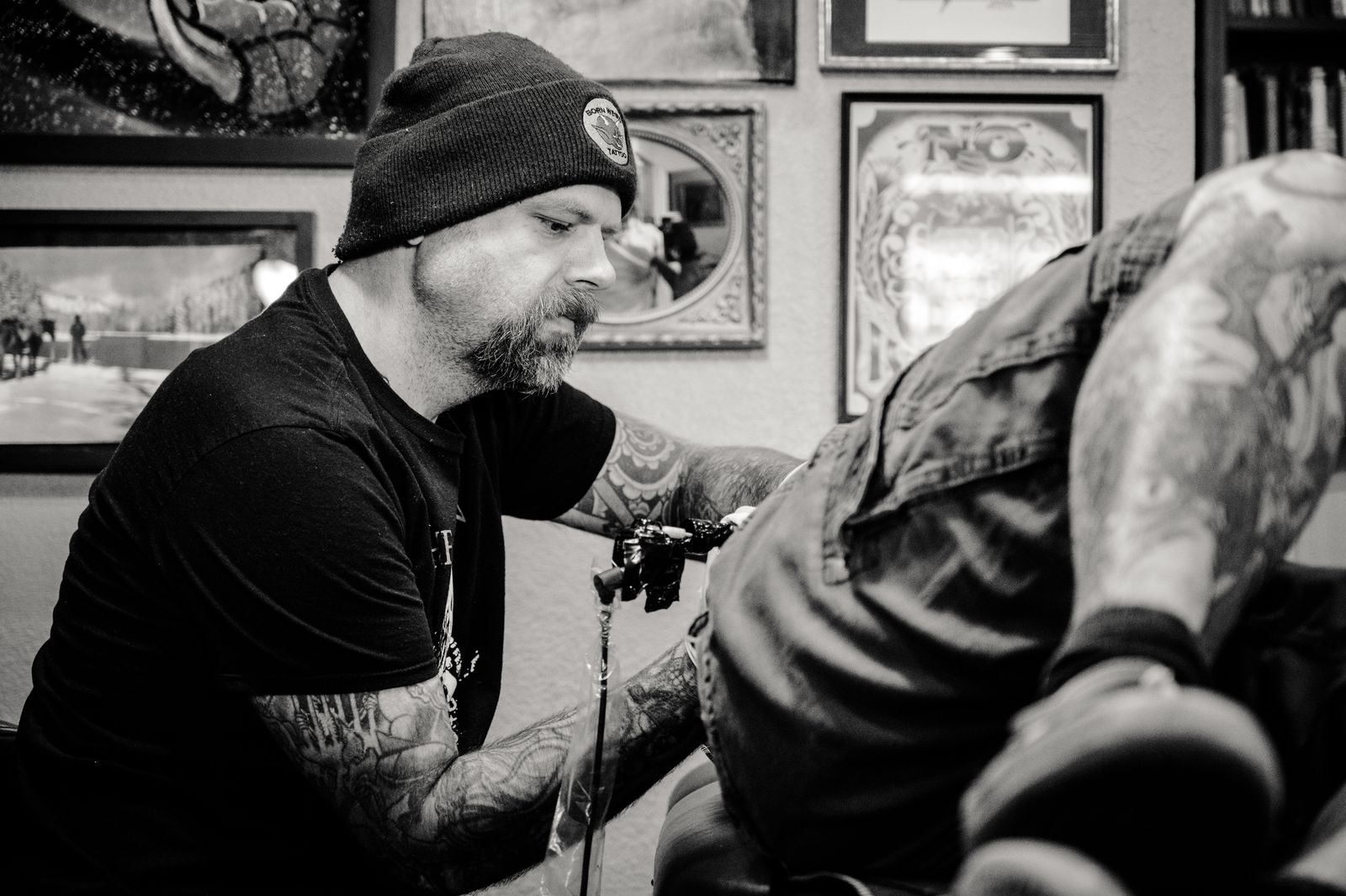
Custom work starts with a consultation. You bring the idea, references, placement, and rough size. The artist draws, you respond, and the design settles. Because drawing hours are real work, shops generally take a deposit to book custom time, and the deposit typically goes toward the tattoo itself when you show up as scheduled. If you reschedule with proper notice, deposits usually move with the appointment. If you vanish or change the concept entirely late in the process, expect the drawing terms to be revisited. None of this is fine print for its own sake. It is how an artist can afford to spend an evening drawing your piece instead of tattooing someone else's.
At Chaos Tattoos, as at most shops, the practical advice is: bring references that show the feeling you want, then let the artist translate. A photo of a tattoo is a photograph of someone else's healed skin, lighting, and body. The drawing you get will, and should, be its own thing.
Picking your door
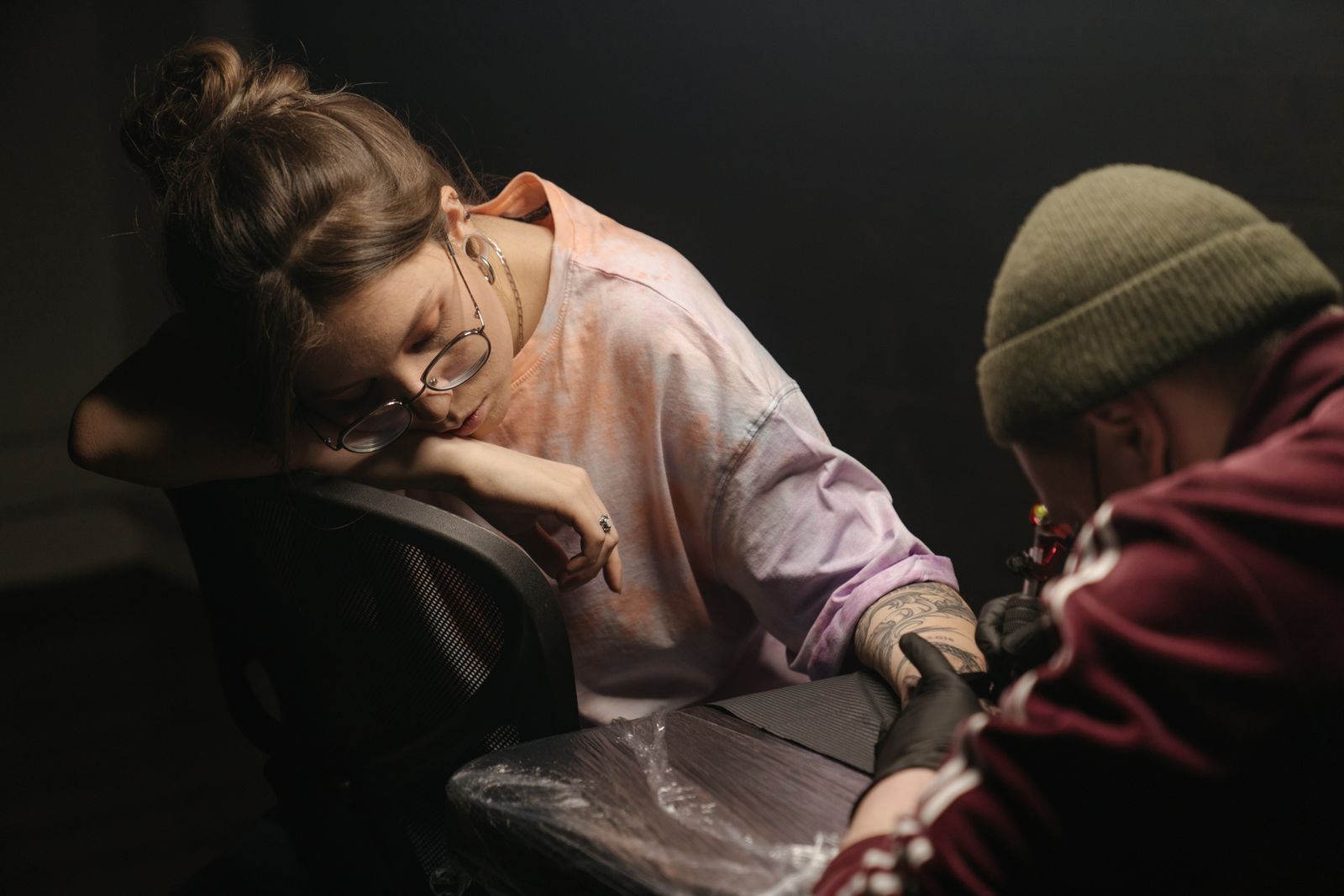
Choose flash when the design delights you as drawn, the size and placement are standard, and you value momentum. Choose custom when the subject is personal, the spot is unusual, the piece is large or a cover-up, or you have looked through books and the thing in your head simply is not in them. Mixed paths exist too: a flash motif as the anchor of a larger custom piece is common and sensible. What matters is knowing which door you walked through, so your expectations about timeline, uniqueness, and input match the process you actually chose.
Common questions
Is flash cheaper than custom?
Flash often prices simply because the drawing is done, while custom includes consultation and drawing time. Either way, price follows size, detail, and time in the chair.
Can I bring my own drawing for a custom tattoo?
Yes, as a starting point. Expect the artist to redraw it in a tattooable form, adjusting line weight, spacing, and detail so it heals and ages well on skin.
How far ahead should I book custom work?
Allow time for a consultation, drawing, and at least one look at the draft before the session. Ask at booking what the artist's current drawing queue looks like.
Photos in this guide are representative stock images.
← All guides from Chaos Tattoos← Back to Chaos Tattoos