A cover-up is not an eraser. It is a new tattoo designed so your eye reads the new work instead of the old, and in Gastonia it is one of the most requested and most misunderstood jobs in the shop. Old ink does not leave the skin when new ink goes over it. The two layer, which means the cover has to win a contest of darkness, size, and distraction against whatever is already there.
That contest has rules an artist cannot negotiate away, but it is winnable far more often than people fear. Work through the checks below before a consultation and you will arrive knowing roughly what is possible, and what an artist will need from you to do the job properly.
The three constraints: darkness, size, and design
New ink can only cover what it can overpower. A cover design must be as dark as or darker than the darkest part of the old piece in the areas that overlap, which is why black and deep, saturated color do most cover-up work and pale pastel rarely can. Size follows from that: the new piece almost always needs to be larger than the old one, so the eye follows new shapes that extend past the old edges. Design does the rest. Bold shapes, texture, and contrast draw attention where the artist wants it, while open, airy designs let the old piece show through like a watermark.
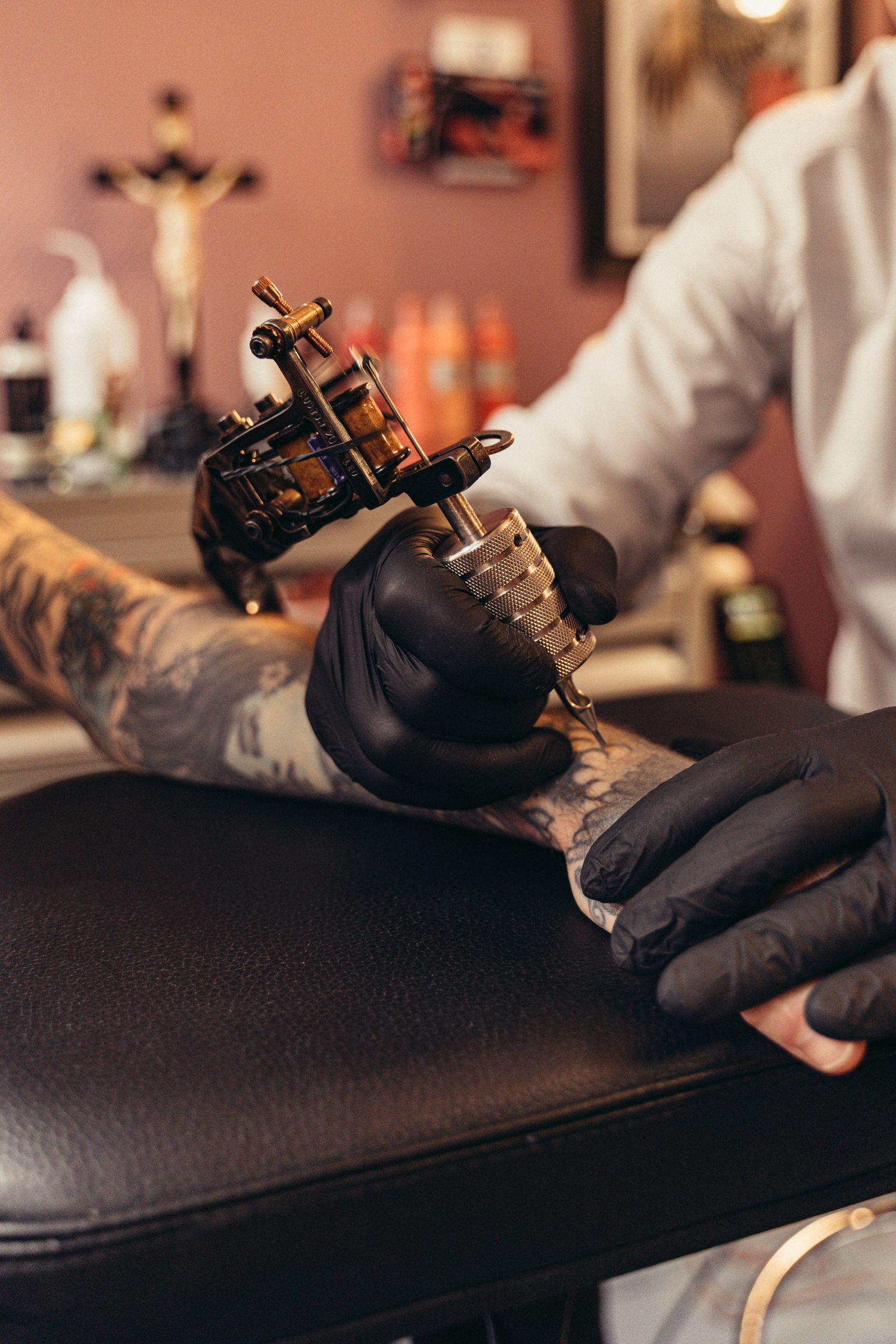
What an artist needs to see, in order
- The old tattoo in person: Photos help for booking, but the artist must judge true darkness and texture on skin. Pass: you can show the piece uncovered and fully healed. Fail: judging from an old, filtered photo alone.
- Age and condition: Older, faded work is easier to cover than fresh, saturated work. Pass: the piece is fully healed and settled. Fail: a recent tattoo still healing, which must finish before anything goes over it.
- Scarring or raised lines: Heavily scarred or blown-out areas change how new ink takes. Pass: flat, healthy skin. Fail: thick raised scarring that needs a cautious, individual assessment.
- Flexibility on design: The wider your range of acceptable subjects, the better the cover. Pass: several ideas you would happily wear. Fail: one exact, small, pale design and no alternatives.
- Flexibility on size: Covers usually grow. Pass: room around the old piece for the new design to expand. Fail: a hard size limit equal to the old tattoo's outline.
- Openness to fading first: Very dark or dense pieces sometimes benefit from laser fading sessions before the cover. Pass: patience for a two-stage plan. Fail: needing a dark piece gone under light ink in one sitting.
Laser fading as a first step, sometimes
For the darkest work, a few fading sessions can change the math completely. Fading does not need to remove the old tattoo, only lighten it enough that a wider range of new designs can overpower it. That can mean smaller covers, lighter color palettes, and better long-term results. It costs time, since sessions are spaced weeks apart for healing, and an honest artist will raise it only when the cover you want genuinely needs it. Think of it as preparation, not failure. Many of the best covers in any portfolio started with a lightening plan.
What a good consultation sounds like
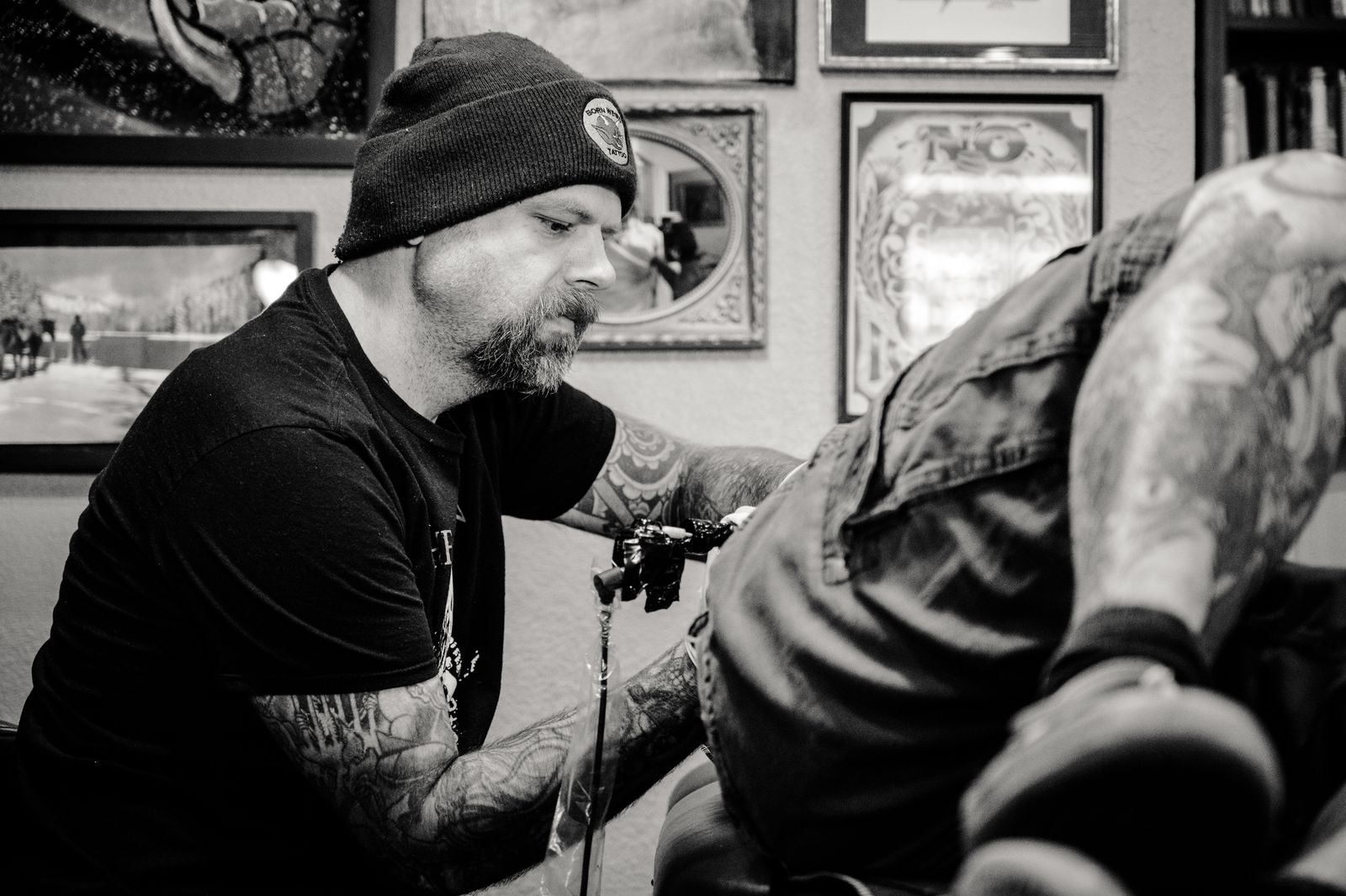
At a shop like Chaos Tattoos, expect the artist to look closely, ask what you dislike most about the old piece, and sketch possibilities that are bigger and bolder than you may have pictured. Expect limits stated plainly. An artist who promises any design, any size, any color over any tattoo is selling, not advising. The covers that hold up are collaborations: your flexibility on subject and size, the artist's judgment on darkness and placement, and sometimes the patience to fade first. Bring all three and the odds move strongly in your favor.
Bring two or three design directions to the consultation rather than one fixed image. That small flexibility is often the entire difference between a cover that merely hides the old work and one you are genuinely glad to wear.
Common questions
Can any tattoo be covered?
Most can be covered with something, but not with anything. Darkness, size, and design flexibility decide the menu. Very dark pieces may need laser fading first.
Will the old tattoo show through over time?
A well-planned cover should not ghost through as it ages, because it is built darker and denser where it overlaps. Poorly matched covers can reveal the old shapes as both layers soften.
Does a cover-up hurt or heal differently?
The process feels similar to a normal tattoo. Working over scarred or heavily worked skin can feel more sensitive, and your artist will pace the session accordingly.
Photos in this guide are representative stock images.
← All guides from Chaos Tattoos← Back to Chaos Tattoos